

Code tests is a crucial part of the software development process that involves systematically checking the correctness and reliability of an application program's code. Tests helps identify and even correct defects or errors within the signal, ensuring that the software functions as intended. There are several types and ranges of code tests, each serving an unique purpose in the development lifecycle. Here are some important concepts related to be able to code testing:
Types of Code Tests:
Unit Testing: Screening individual components or perhaps functions in seclusion to ensure they will work correctly. It is often automated and varieties the foundation involving a robust assessment strategy.
Integration Assessment: Verifying the interaction between different pieces or systems in order to ensure they communicate as expected.
Useful Testing: Validating that the software's features and functionalities satisfy the specified specifications.
Performance Testing: Assessing the software's responsiveness, speed, and balance under various problems.
Security Testing: Figuring out vulnerabilities and weak points in the software program to make certain it may resist potential protection threats.
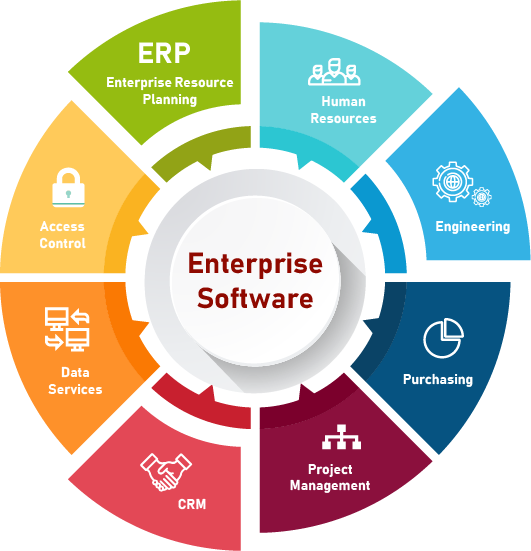
enterprise software development company : Ensuring that innovative code changes never adversely affect prevailing functionalities.
User Approval Testing (UAT): Enabling end-users evaluate the particular software to identify if it fulfills their needs and expectations.
Unit Screening:
Writing test cases for seperate functions or perhaps modules to confirm their correctness. Programmers often perform product testing as portion of their enhancement process.
Test Circumstances:
Sets of circumstances or variables utilized to determine the correctness of a specific facet of the software. Test cases are usually designed to protect different scenarios in addition to edge cases.
Test out Suites:
Collections associated with test cases grouped together to examine a broader variety of functionalities or perhaps components. Test suites help organize and even manage the tests process.
Test Motorisation:
Using automated testing tools and frameworks to execute test cases automatically. This kind of helps improve performance and consistency throughout the testing procedure.
Code Coverage:
Testing the percentage of code that is executed during screening. Code coverage metrics provide insights directly into how thoroughly the particular code has become analyzed.
Mocking and Stubbing:
Simulating certain pieces or behaviors in order to isolate the computer code being tested. This specific is common within unit testing to generate controlled environments.
Ongoing Integration (CI) plus Continuous Deployment (CD):
Integrating testing directly into CI/CD pipelines to be able to automatically run assessments whenever there will be becomes the code. This ensures early on detection of issues.
Debugging:
Identifying in addition to fixing defects or even issues found during testing. Debugging is Click for source for developers in order to troubleshoot and resolve problems within the signal.
Static Code Evaluation:
Using tools to be able to analyze the code without executing it, identifying potential concerns such as program code smells, security weaknesses, or adherence to be able to coding standards.
Computer code testing is a great iterative process that involves multiple models of testing through the entire software development lifecycle. The goal is to deliver a superior quality and reliable software product that meets certain requirements and anticipations of users.