

Process Meter Calibration Lab is a facility geared up with the required instruments, requirements, and experience to calibrate and confirm the accuracy of various types of course of meters. Calibration labs play a crucial position in guaranteeing that instruments used in industrial processes provide reliable and accurate measurements.
Accreditation and Certification:
The calibration lab must be accredited by relevant accreditation our bodies, similar to ISO/IEC 17025, to show compliance with international standards for calibration laboratories.
Expertise and Trained Personnel:
The lab ought to have experienced and educated personnel who understand the intricacies of different types of process meters.
Discover more ought to be educated about industry standards and able to performing exact calibrations.
Calibration Standards and Equipment:
The lab ought to be geared up with a broad range of calibration requirements and tools to cowl varied parameters like strain, temperature, move, voltage, and current.
Calibration equipment should be regularly calibrated and traceable to national or worldwide requirements.
Traceability:
The lab should ensure traceability of measurements back to acknowledged national or international standards. This traceability is essential for establishing the accuracy of the calibration process.
Documentation:
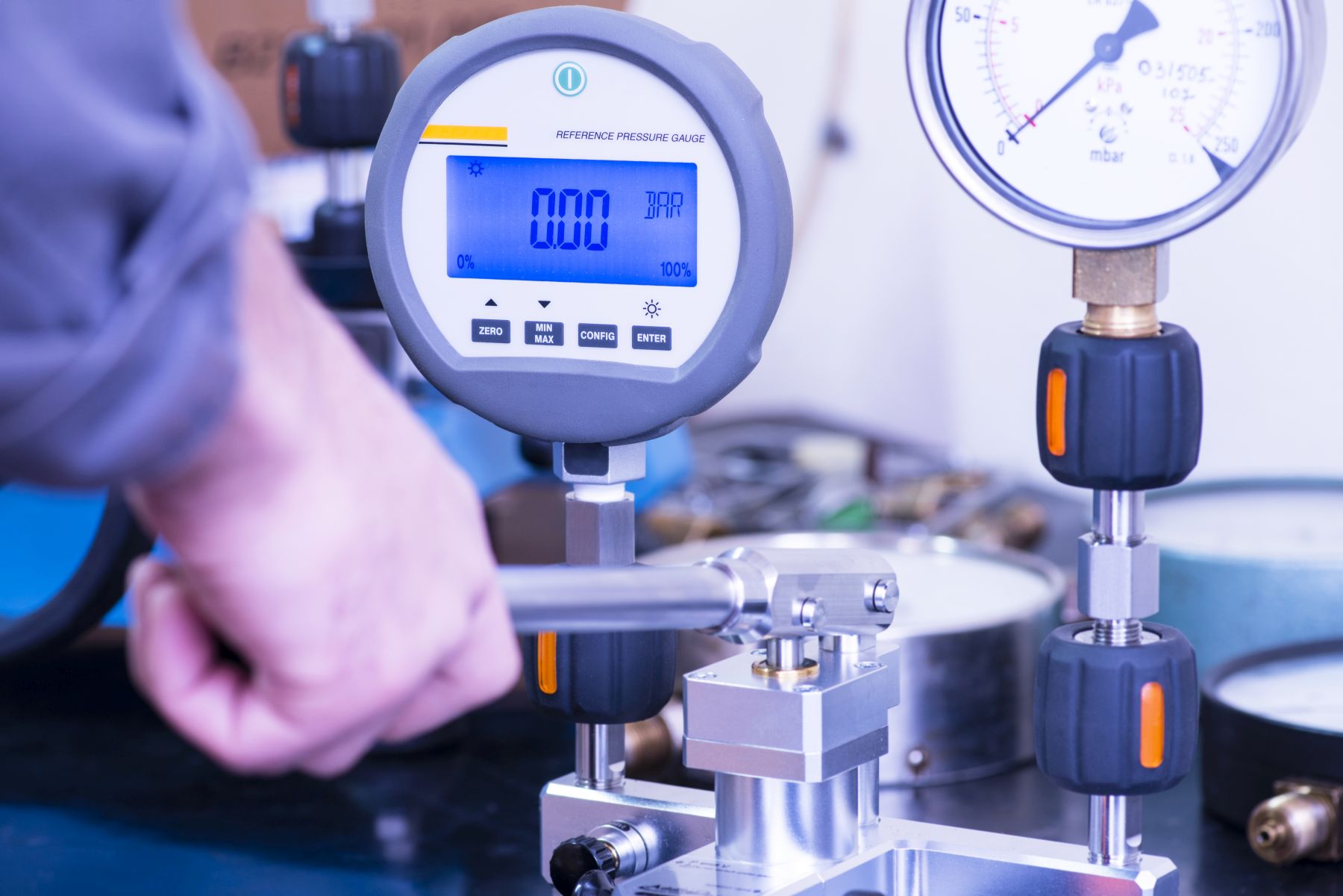
Comprehensive documentation is essential for each calibration carried out. This includes earlier than and after measurements, calibration procedures, and details about the standards used.
Calibration certificates ought to be issued to clients, offering a report of the calibration outcomes.
Quality Assurance:
The lab ought to implement a prime quality administration system to make certain that calibration processes meet the highest requirements.
Regular audits, internal high quality checks, and adherence to business finest practices contribute to the standard assurance of the calibration lab.
Calibration Intervals:
The lab ought to set up and advocate applicable calibration intervals based on industry standards, gear specifications, and the criticality of the measurements.
On-Site Calibration Services:
Some calibration labs supply on-site calibration services, offering comfort for clients with devices that can not be easily transported.
On-site providers are particularly beneficial for critical processes the place minimizing downtime is important.
Instrument Adjustment and Repair:
The lab should have the capability to make adjustments or perform repairs if the instruments are discovered to be out of calibration.
Customer Support:
Providing wonderful buyer support, including immediate communication, is crucial for addressing client inquiries, scheduling calibrations, and making certain buyer satisfaction.
When deciding on a course of meter calibration lab, think about the lab's popularity, accreditation standing, vary of calibration services offered, and the power to meet the particular calibration needs of your industry. https://www.meetingwithpia.org/members/zipperexpert9/activity/1569289/ performed by a good lab contributes to the accuracy, reliability, and security of industrial processes..