

Process meter calibration is a crucial course of that ensures the accuracy and reliability of devices used to measure numerous parameters in industrial processes.
The major goal of calibration is to verify and modify the accuracy of course of meters to guarantee that they supply reliable and precise measurements.
Types of Process Meters:
Process meters include instruments that measure parameters corresponding to stress, temperature, move, degree, pH, conductivity, and electrical signals. Calibration is particular to the sort of meter and the parameter being measured.
calibrate process meter :
Calibration is typically carried out using requirements, that are devices or devices with recognized and traceable accuracies. https://diigo.com/0usmnm serve as reference points for comparability.
Traceability:
Traceability is the flexibility to hint calibration measurements again to acknowledged national or worldwide standards. It ensures that the calibration course of is reliable and follows a documented and verifiable path.
Calibration Procedure:
The calibration procedure includes evaluating the readings of the method meter with the readings of the calibration normal. https://french-dupont.thoughtlanes.net/calibrating-course-of-meters-is-important-to-make-sure-the-accuracy-and-reliability-of-measurements-in-industrial-processes are made if discrepancies are discovered.
Calibration Equipment:
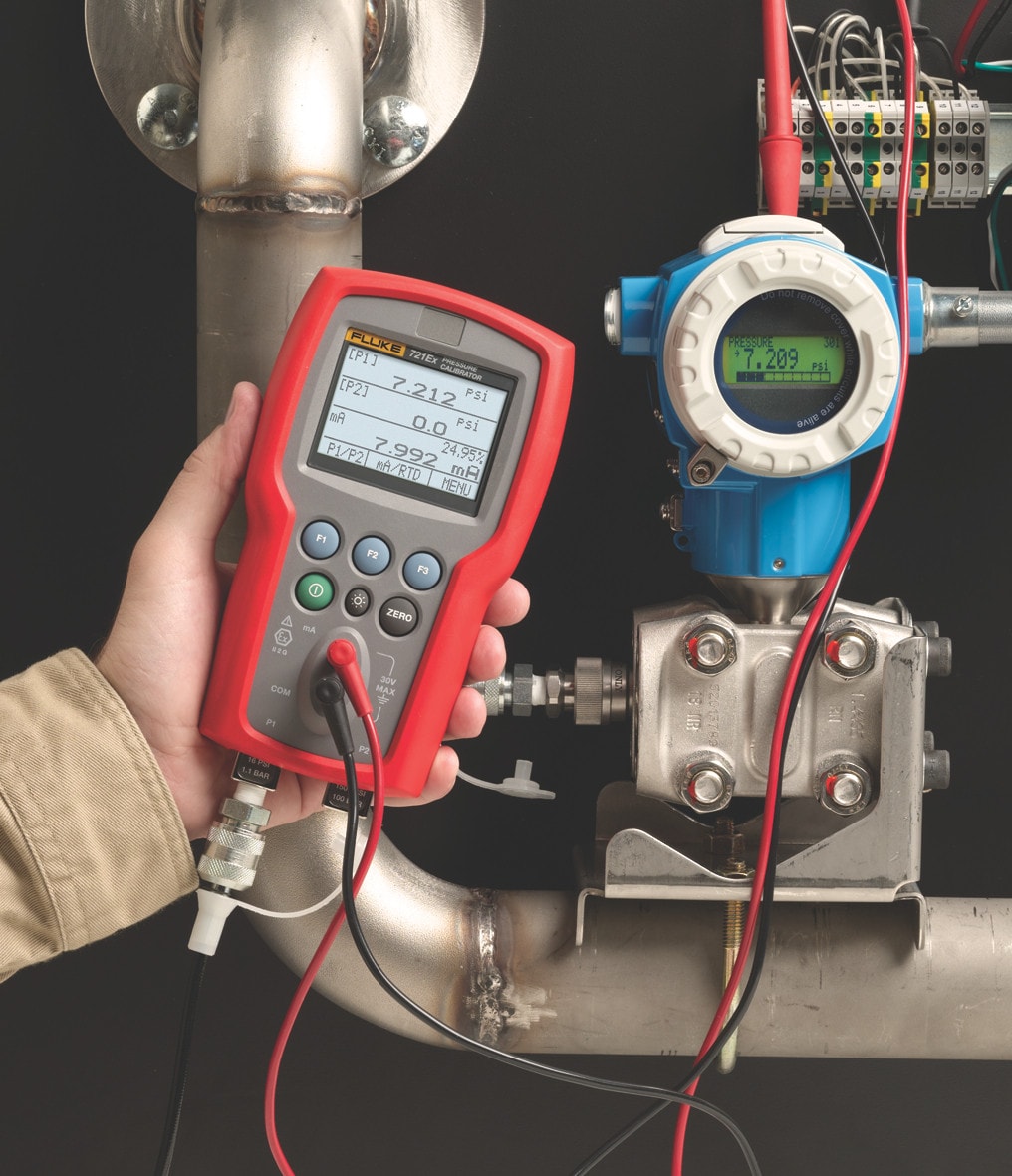
Specialized calibration tools is used primarily based on the sort of process meter being calibrated. This could include stress calibrators, temperature baths, circulate calibrators, multimeters, and different testing instruments.
Calibration Interval:
Calibration intervals are established based mostly on components similar to business requirements, producer recommendations, and the criticality of the measurements. Regular calibration ensures that devices maintain accuracy over time.
Documentation:
Detailed documentation is an important side of the calibration process. Calibration information embody info such because the date of calibration, tools used, calibration standards, changes made, and the technician's signature.
Calibration Certificates:
Calibration labs present certificates after the calibration course of. These certificates doc the as-found and as-left conditions of the instrument, offering proof of compliance with specified accuracy standards.
Adjustment and Repair:
If a process meter is found to be out of calibration, adjustments or repairs may be essential to convey it back within the specified accuracy limits.
Calibration Tolerances:
Instruments have outlined tolerances that specify the appropriate range of deviation from the true value. Calibrations be positive that the instruments fall inside these tolerances.
On-Site Calibration:
Some calibration actions could be performed on-site, reducing the necessity to take away devices from the process. This is particularly essential for important processes the place downtime should be minimized.
Calibration Management System:
Organizations could use a calibration management system to trace and handle the calibration of their instruments. This system helps schedule and document calibration actions.
By adhering to these fundamentals, industries can preserve the accuracy and reliability of their course of meters, contributing to the overall efficiency and safety of industrial processes. Regular calibration is important to meet quality requirements and regulatory necessities..