

Certainly! Body piercing is a type of physique modification where a needle punctures a part of the physique to create an opening for jewellery. Here's a more detailed guide on physique piercing:
Types of Body Piercings:
Ear Piercings:
Earlobe Piercing: Most frequent and heals relatively shortly.
Helix Piercing: Located on the outer rim of the ear.
Tragus Piercing: In the small, cartilaginous flap in front of the ear canal.
Conch Piercing: In the internal cartilage of the ear.
Daith Piercing: Through the innermost fold of cartilage within the ear.
Facial Piercings:
Nose Piercing: Nostril or septum piercings are common.
Eyebrow Piercing: Usually on the outer edge of the eyebrow.
Lip Piercing: Labret, Monroe, or snake bites are in style.
Tongue Piercing: Through the middle of the tongue.
Cheek Piercing: Placed on the cheekbone.
Body Piercings:
Navel (Belly Button) Piercing: Placed through the navel.
Nipple Piercing: For each women and men.
Surface Piercings: On flat areas of the body like the nape or hip.
Genital Piercings: Various sorts, including Prince Albert, VCH, and HCH.
Choosing a Piercing Studio:
Research native piercing studios for cleanliness and status.
Ensure the studio follows correct sterilization procedures.
Piercer's Qualifications:
Verify the piercer's certification and expertise.
Feel free to ask for portfolios or consumer references.
Aftercare
Follow the aftercare directions offered by the piercer.
Clean the piercing with a saline solution or antiseptic answer.
Healing Time:
Healing times differ but can range from a few weeks to several months.
Cartilage piercings typically take longer to heal than gentle tissue piercings.
Pain and Discomfort:
Pain ranges differ among people.
Expect some preliminary discomfort, swelling, and redness.
Jewelry Materials:
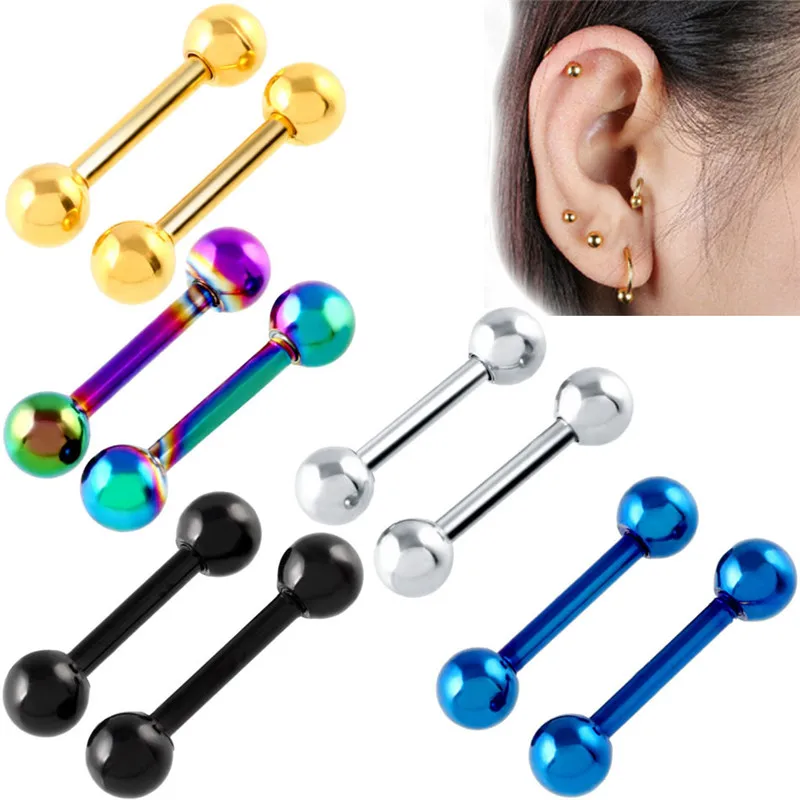
Opt for jewellery created from protected materials like surgical steel, titanium, or gold.
Avoid supplies that will cause allergic reactions or infections.
Find more info and Complications:
Infections and allergic reactions are potential risks.
Follow correct aftercare to attenuate these dangers.
Changing Jewelry:
Wait till the piercing is totally healed before changing jewellery.
Consult with the piercer if you have any considerations.
Removal of Piercings:
Some piercings could shut if the jewellery is removed.
Consult with an expert earlier than eradicating a piercing.
https://telegra.ph/If-you-are-looking-for-a-piercing-shop-you-can-follow-these-steps-to-discover-a-respected-and-dependable-institution-01-11 and Social Considerations:
Be conscious of cultural and social perceptions of body piercings.
Some workplaces might have policies relating to visible piercings
Professionalism:
Avoid attempting DIY piercings.
Professional piercers use sterile tools and have correct coaching.
Infections and Warning Signs:
Watch for signs of infection: redness, swelling, and unusual discharge.
Seek medical consideration if you suspect an an infection.
Age Restrictions
Check native laws concerning age restrictions for piercings.
Parental consent may be required for minors. Personal Considerations:
Consider your life-style and how piercings could impact it.
Some piercings may interfere with sure activities.
Remember, body piercings are a personal choice, and correct care is crucial to make sure a healthy healing process. Always seek the assistance of with a professional piercer for recommendation tailor-made to your specific scenario..